
Global plastic bans intensify, ushering in a green transformation for the outdoor plastic mat industry.
1. Global plastic bans continue to escalate, forcing industrial transformation.
Many regions in China are strengthening regulations.
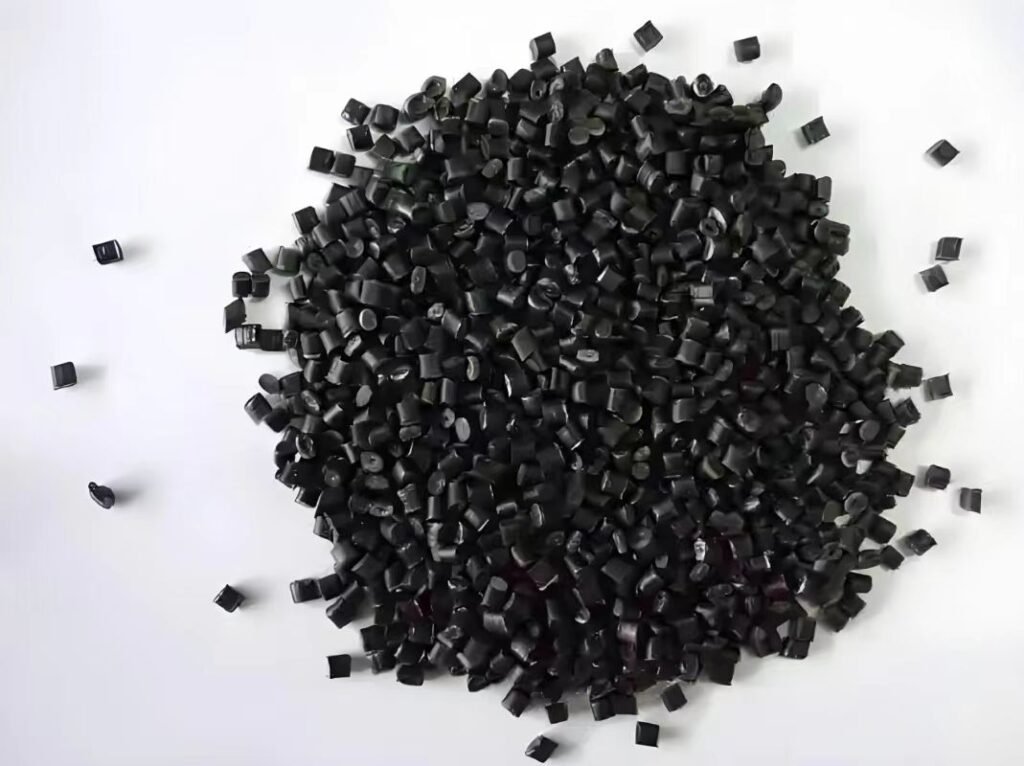
Bengbu City: In August 2025, over 90 companies signed a commitment to completely ban single-use, non-degradable plastic products, including shopping bags, cutlery, and express packaging. The new regulations explicitly require food delivery, hotels, and express delivery to replace them with degradable materials; violators will face penalties and public exposure.
Guangzhou City: A phased approach to plastic restrictions will be implemented. Starting in 2026, non-degradable plastic bags will be banned in all markets, and the use of disposable plastic tableware for food delivery will be required to decrease by 30%.
International bans are being implemented intensively.
Canada: According to Regulation SOR/2022-138, the export of single-use plastic products (including straws, cutlery, and carrying loops) will be completely banned from the end of 2025. The banned items list already covers seven major product categories.
India: Since 2022, 1,985 tons of banned single-use plastics have been seized and fined over 1.9 billion rupees (approximately 170 million yuan), with a focus on high-polluting items such as plastic straws and tableware.
South Korea: In August 2025, a national plastic restriction roadmap was launched, requiring companies to implement full lifecycle management from production to recycling and promoting the replacement of reusable materials.
2. Degradable materials are trending, accelerating the development of the industrial chain.
Bio-based production capacity expansion
Shandong Baituan New Materials: Investing in a project with an annual production capacity of 460,000 tons of bio-based fully degradable products, primarily producing degradable mulch films and packaging bags. The project plans to replace traditional plastics through blown film and injection molding processes.
Policy support: Bengbu is leveraging leading enterprises (such as Fengyuan Group) to develop bio-based material technology, and the government is promoting the optimization of modification processes to reduce costs.
Green Upgrades for Outdoor Products
Growing Demand for Artificial Turf: A Tibetan military unit’s EPDM plastic turf procurement project (2025-JLSNQF-W4011) shows a 3% increase in the use of environmentally friendly synthetic materials in outdoor venue renovations.
Internationalization of Standards: Yiwu issued a Chinese-English group standard for “Automatic Inflatable Floor Mats,” limiting volatile organic compound emissions and promoting improvements in both safety and environmental performance for outdoor products.
III. Cross-border E-commerce Response Strategies: Prioritizing Compliance and Innovation
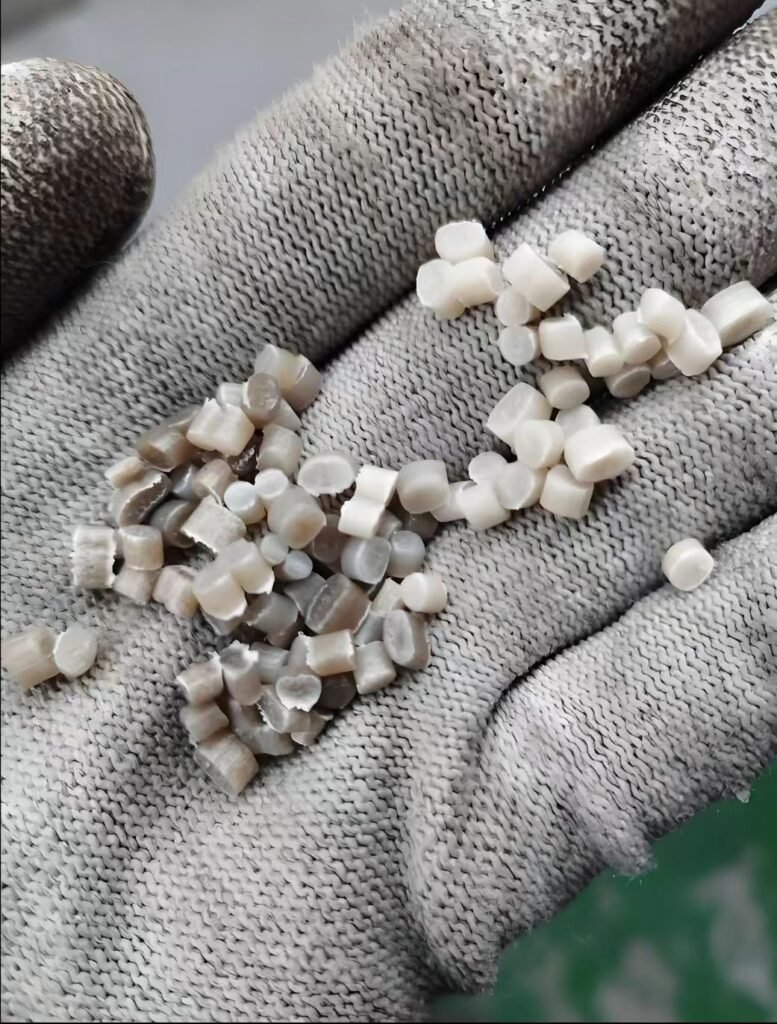
Supply Chain Transformation is Urgent
Sourcing Alternatives: Prioritize suppliers with biodegradable certification (such as PLA/PBAT materials) to avoid the risk of export bans.
Cost Balance: While biodegradable materials are relatively expensive, Canada, the EU, and other regions are increasing subsidies for environmentally friendly products, creating significant long-term market potential.
Leveraging Standards and Platform Resources
Participating in Standard Development: Drawing on the Yiwu model, collaborate with foreign companies to develop bilingual technical standards (e.g., UV protection and low toxicity indicators) to overcome trade barriers.
Circular Economy Practices: Join the Global Tourism Plastics Initiative (e.g., the Tourism Foundation) to reduce packaging pollution through reuse and improve your brand’s ESG rating by 10
Comparison of Plastic Ban Policies in Major Global Markets (Updated to 2025)
Country/Region Banned Items Key Timelines Penalties
Canada: Export ban on seven categories, including straws, cutlery, and carrying loops, by the end of 2025. Goods will be seized and heavy fines will be imposed.
India: Straws, balloon sticks, and decorative polystyrene. Effective (2022 to date). Cumulative fines of 1.982 billion rupees.
China (Bengbu): Full enforcement for non-degradable plastic bags and takeout cutlery by 2025. Company exposure and administrative penalties.
South Korea: Full lifecycle management of single-use plastic packaging and logistics consumables will be implemented by 2025. Details have not been announced.
Conclusion
Outdoor plastic grass mats and related industries are facing a “green reshuffle”—high-pressure policies are phasing out traditional plastics, while innovation in bio-based materials and circular models will reshape the competitive landscape. Cross-border e-commerce companies need to dynamically monitor regulations in various countries (such as Canada’s 2025 export ban) while leveraging the trend of environmentally friendly consumption to capture emerging markets through technological certification and differentiated design.
Environmental protection isn’t a cost; it’s a license to survive in