
August 10, 2025
Amid tightening global environmental regulations and rising consumer health awareness, the safety and compliance of food-grade plastics have become a key concern for cross-border e-commerce sellers. In 2025, markets such as the EU, the US, and Indonesia will update their food contact material (FCM) regulations, imposing stricter testing standards for plastic tableware such as PP (polypropylene) and PLA (polylactic acid). This article will analyze the latest policies, market trends, and compliance strategies to help sellers capture overseas markets.
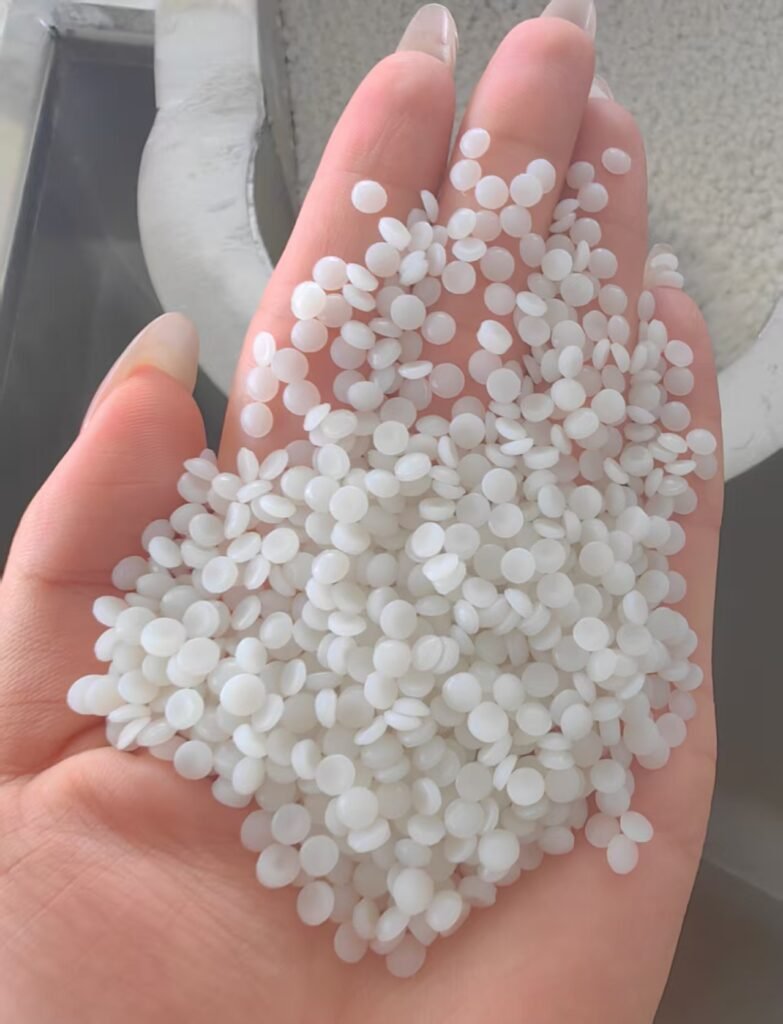
1. European and American Markets: FDA and EU FCM Regulations Upgrade
US FDA Testing: PP plastic tableware exported to the US must pass FDA 21 CFR 177.1520 testing, focusing on high-temperature extractables, heavy metal migration (such as lead and cadmium), and acidic/oily food simulation testing. Products made from inferior recycled materials or containing plasticizers may be detained or blacklisted.
New EU regulations: The (EU) 2024/3190 ban, issued in 2024, explicitly restricts the use of bisphenol A (BPA) and its derivatives in food packaging, with a transition period until July 2026. Furthermore, the EN 12983-1:2023 standard strengthens controls on the physical properties of cookware (such as temperature resistance and sealing).
2. Environmental Trends: The Rise of Degradable Plastics and “Plastic-Free” Alternatives
PLA/PBAT Materials: The EU’s SUP plastic ban is driving demand for degradable lunch boxes, but these must be certified compostable according to EN 13432 and have a thickness of 0.8mm or greater.
Natural Alternatives Like Coconut Bowls: Australian brand Coconut Bowls, which makes tableware from discarded coconut shells, commands a 400% premium in Europe and the US, generating annual revenue exceeding US$10 million, reflecting Generation Z’s pursuit of a “plastic-free lifestyle.”
3. Emerging Markets: Indonesia’s SNI 8218:2024 Standard Takes Effect
Indonesia will implement new regulations in 2025, requiring paper and plastic food packaging to comply with the SNI 8218:2024 standard, including migration testing and hygiene indicators. The compliance deadline is July 24. This move aims to align with international standards, but may increase supply chain adjustment costs.
4. Seller Compliance Recommendations
Pre-Testing: Choose a CNAS/FDA-accredited laboratory (such as Huabiao Testing or Saite Testing) and complete comprehensive testing for your target market to avoid port rejections.
Material Upgrades: Avoid using recycled materials and prioritize food-grade PP5 or biodegradable PLA. Ensure that printing inks comply with FDA/EU standards.
Labeling and Certification: EU products must be labeled with the CE mark and European Union certification information. US products require an FDA test report. Biodegradable products must also be printed with the environmental certification mark.
5. Market Opportunities
High-Premium Market Segments: Eco-friendly food packaging (such as coconut bowls and bamboo fiber tableware) is in strong demand in Europe and the United States. Content marketing on platforms like TikTok and Instagram can highlight its “healthy aesthetic” selling point.

B2B Partnerships: Partner with recycled plastic suppliers like PureCycle. Their PureFive™ resin has been verified by brands like P&G and is suitable for food packaging films, containers, and other applications.
While the compliance threshold for food-grade plastics continues to rise annually, sellers who accurately align policies with consumer trends can still tap into significant business opportunities. We recommend closely monitoring RASFF alerts, optimizing supply chain transparency, and leveraging third-party testing agencies to mitigate risks.